2026.03.13
 Eolas Tionscail
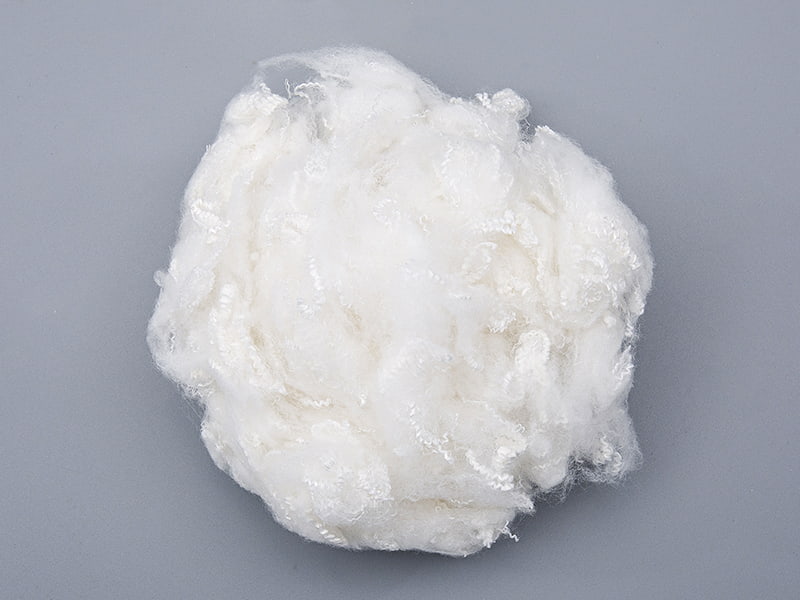
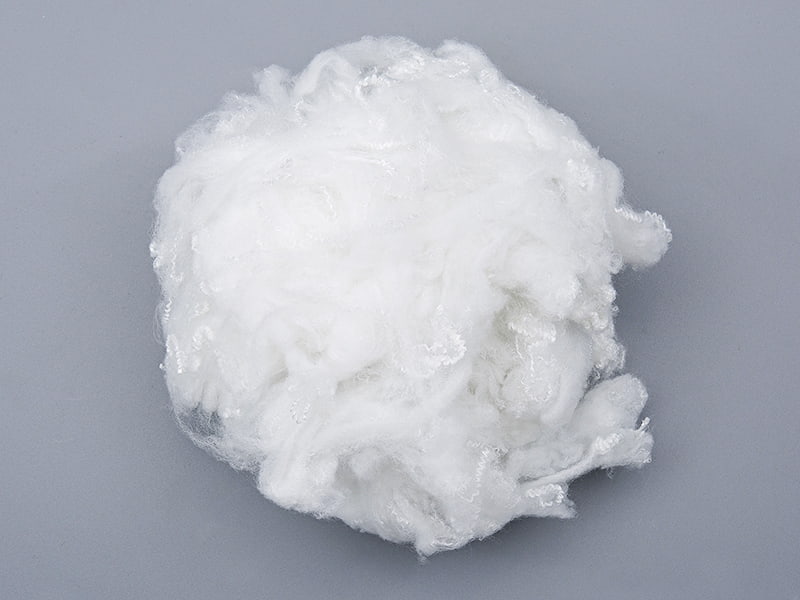
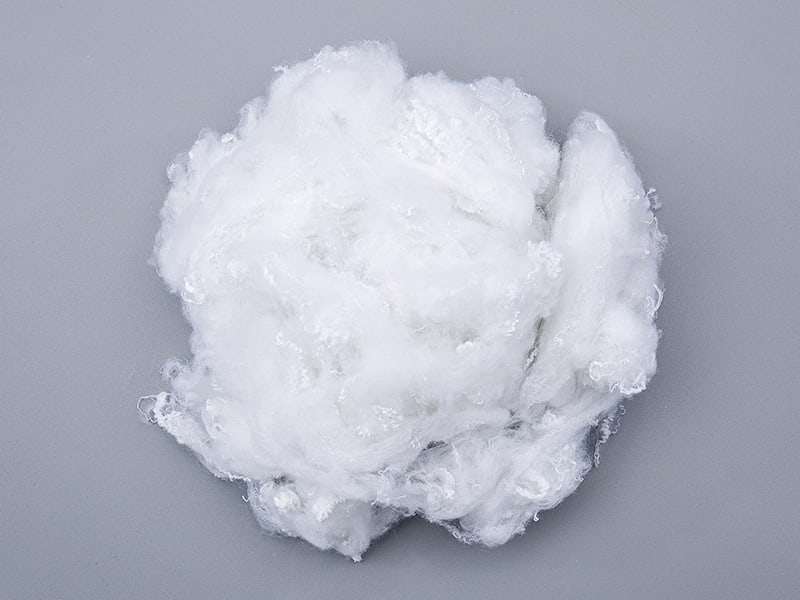
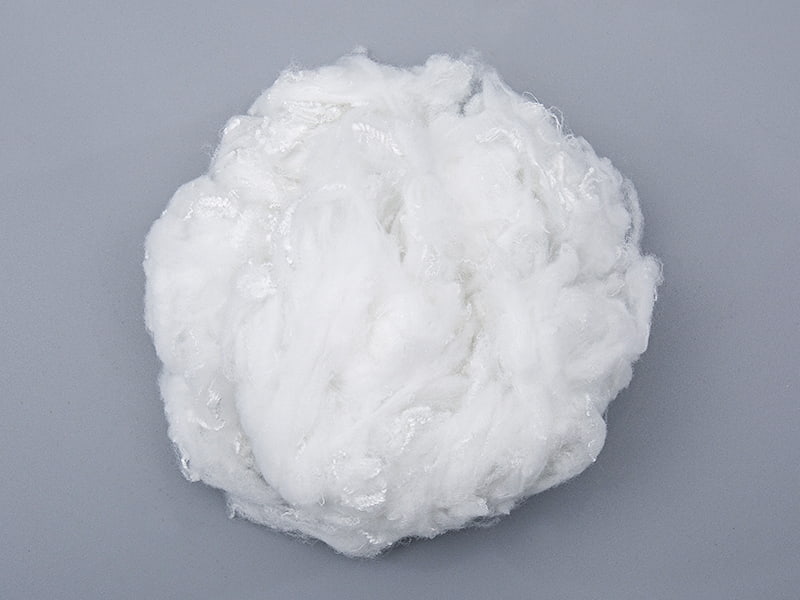
Functional textile fibers are a groundbreaking innovation in the textile industry, combining traditional fibers with modern technological enhancements. These fibers are designed to perform specialized tasks, providing a range of benefits for users, from improving comfort to increasing safety. As industries evolve, the demand for textiles with more than just aesthetic value has increased, resulting in the development of fibers with unique properties. Whether in healthcare, sports, fashion, or industrial applications, functional textile fibers offer the versatility to meet the demands of modern consumers.
Functional textile fibers are designed to perform specific tasks beyond basic fabric properties. They can be engineered to exhibit unique functionalities such as moisture-wicking, flame resistance, UV protection, antibacterial properties, and more. These fibers are used to produce textiles that cater to specific needs, ensuring that the final product performs optimally in its intended environment.
The development of functional fibers is largely driven by advances in material science, which allow manufacturers to alter the structure of fibers at the molecular level. This enables the creation of textiles that can actively respond to environmental stimuli, enhance comfort, and offer protective properties.
Functional fibers can be broadly classified into several categories, including natural fibers, synthetic fibers, smart fibers, and biodegradable fibers. Each category plays a critical role in various sectors and has unique advantages depending on its application.
Natural fibers, derived from plants and animals, have long been used in textiles. However, advancements in technology have allowed these fibers to be enhanced for specific functions.
Synthetic fibers are manufactured from petroleum-based products, and they can be engineered for enhanced performance. These fibers are widely used in many different applications due to their durability and adaptability.
Smart fibers represent the next generation of functional textiles, with fibers designed to respond to external stimuli such as temperature, moisture, or light. These fibers enable the development of advanced materials for a range of high-tech applications.
With increasing concerns over sustainability, biodegradable functional fibers are gaining popularity. These fibers decompose naturally over time, reducing the environmental impact of textiles.
Functional textile fibers are used in a wide variety of industries, where their special properties provide practical benefits.
In the healthcare industry, functional fibers are used to produce textiles for medical applications such as wound care, hygiene products, and patient garments. Antibacterial fibers are commonly used in medical bandages, surgical garments, and face masks to reduce the risk of infection. Other fibers, such as moisture-wicking and thermal-regulating fabrics, are used in hospital linens and patient clothing to provide comfort and prevent overheating.
For athletes and outdoor enthusiasts, functional textile fibers offer performance-enhancing features. Moisture-wicking fabrics, which are commonly found in sportswear, help keep the body dry by moving perspiration away from the skin. Thermoregulating fibers help to maintain body temperature during weather conditions, while UV-protective fibers safeguard the skin from harmful sun exposure. These fibers are used in a wide range of outdoor clothing, from running gear to hiking jackets.
In fashion, functional fibers are used to create garments that offer both style and performance. For example, moisture-wicking fibers can be incorporated into everyday clothing, while flame-retardant fibers can be used in safety apparel. Functional textiles also allow for the creation of fabrics that offer easy care, such as wrinkle-resistant or stain-resistant materials. As consumer interest in sustainable fashion grows, biodegradable and eco-friendly fibers are becoming increasingly popular.
In industrial applications, functional textile fibers are used in protective clothing, filtration materials, and even automotive textiles. Flame-resistant fabrics are critical in industries such as oil and gas, where workers are exposed to high-risk environments. Similarly, industrial filtration systems often use specialized fibers to trap harmful particles and gases. The durability and strength of synthetic fibers make them ideal for applications where safety and performance are essential.
While functional textile fibers offer numerous advantages, there are challenges associated with their production and application. One of the main obstacles is the cost of manufacturing advanced fibers, which can make them more expensive than traditional materials. Additionally, some functional fibers are complex to produce and may require specialized equipment or processes.
However, ongoing innovations in material science are driving improvements in the efficiency and cost-effectiveness of functional fibers. Researchers are exploring new ways to produce sustainable, high-performance fibers that can meet the growing demand for eco-friendly and smart textiles.
Functional textile fibers represent a transformative force in the textile industry, offering a wide range of benefits for consumers and industries alike. With applications in healthcare, sports, fashion, and industrial sectors, these fibers are reshaping the way textiles are used in our daily lives.
1. What are functional textile fibers made of?
Functional textile fibers are made from both natural and synthetic materials, and they are engineered to offer specialized properties such as moisture-wicking, antimicrobial, or temperature-regulating abilities.
2. How do functional textile fibers benefit sportswear?
These fibers enhance comfort and performance by providing moisture-wicking, breathability, and temperature regulation, helping athletes stay dry and comfortable during intense physical activities.
3. Are functional textile fibers sustainable?
Many functional textile fibers, such as bamboo, hemp, and biodegradable synthetics, are sustainable options. They help reduce the environmental impact of textiles by being renewable or biodegradable.
4. What are the main differences between natural and synthetic functional fibers?
Natural fibers are derived from plants or animals, while synthetic fibers are man-made. Both types can be enhanced with functional properties, but synthetic fibers often offer greater durability and versatility.
5. How do smart fibers work in textiles?
Smart fibers can respond to environmental stimuli, such as temperature or moisture. Examples include phase change materials that regulate temperature and conductive fibers used in wearable technology.
Tá Teicneolaíocht Emon toilteanach na lámha a nascadh leat, comhoibriú le haghaidh torthaí buaite, agus brilliance a chruthú le chéile!
Tel: +86-512-63679088
Email: [email protected]
[email protected]
[email protected]
[email protected]
[email protected]
Add:Deisceart 318 Highway Náisiúnta, Sráidbhaile Miaotou, Meiyan, Wujiang, Jiangsu
Copyright © Suzhou Emon Teicneolaíocht Ábhar Nua, Ltd. All rights reserved.